







Search Results for: high-extraction sweet spot water level

How to Make Iced Pour-Over with Light Roast Beans? Four Cooling Extraction Methods and Flavor Comparison in Practice
As soon as the temperature rises, iced coffee returns to the top of the sales charts. Iced pour-over lets you choose your own beans and comes with a refreshingly cold taste, making it the first choice in hot weather. However, if you simply add ice cubes to a hot pour-over recipe, the concentration gets diluted and it tastes as bland as water. The core problem to solve is: how to maintain a moderate concentration after cooling down. Using Front Street's medium-light roasted Ethiopia Kaffa Forest as an example, we've put together four highly practical iced pour-over methods—high-concentration high-extraction, ice-flushing, stirring, and ice-bath cooling—breaking down the parameters and techniques one by one, and comparing their flavor performances, to help you find the cup that suits you best. [more…]

How to Make Delicious Iced Pour-Over Coffee: Four Practical Brewing Methods and Detailed Parameters
When the weather turns hot, iced coffee becomes the first choice for many people. Iced pour-over preserves the flavor layers of pour-over coffee while adding a refreshing chill, but making a good iced pour-over isn't as simple as adding ice cubes to hot pour-over. Melting ice dilutes the coffee's strength, and directly applying hot-brew parameters often results in a weak glass of iced coffee water. This article centers on the two cores of extraction yield and strength, and compiles four zero-threshold iced pour-over methods: the high-strength high-extraction method, the ice-rinsing method, the stirring method, and the ice-bath cooling method. Each method comes with specific parameters and operating steps using a medium-light roast Front Street Coffee Kafa Forest as an example, helping you easily make a full-flavored, sweet-and-sour balanced iced pour-over at home. [more…]

A Detailed Guide to Four Iced Pour-Over Coffee Brewing Methods: From High-Strength High-Extraction to Ice-Chilling Cooling
As temperatures rise, iced coffee returns to the top of the sales charts. Iced pour-over lets you freely choose your favorite beans while offering the sweet, refreshing taste of a chilled brew—making it an excellent way to beat the heat. But the key to making a delicious iced pour-over lies in solving the problem of dilution after cooling. Front Street Coffee has put together four zero-threshold iced pour-over brewing approaches—high-concentration high-extraction, ice rinsing, the stirring method, and ice-bath cooling—each with detailed parameters and step-by-step instructions, demonstrated using a light-to-medium roast Ethiopian Kafa Forest as an example. No matter what equipment you have on hand or what size your ice cubes are, you'll find a method that suits you. [more…]

Can Pour-Over Coffee Also Make Milk Coffee? A Complete Guide to Pairing a High-Extraction Pour-Over Base with Milk
When it comes to combining pour-over coffee with milk, most people think of café au lait, but café au lait has a relatively low coffee concentration, and its flavor is easily diluted once milk is added, making it clearly different from an espresso-based latte. Front Street Coffee recently noticed a shop-visit video by a well-known Korean coffee blogger, in which a champion barista used a pour-over method to make a milk coffee with excellent flavor and mouthfeel. This article will focus on the extraction logic of espresso and share how to obtain a very high-concentration pour-over coffee as a base by adjusting the coffee-to-water ratio, grind size, water temperature, and stirring technique, then add milk in an appropriate ratio to create a drink that comes infinitely close to a latte. It will also recommend medium-dark roasted beans suitable for pairing with milk and specific Front Street Coffee products, and include complete brewing parameters and operating steps. [more…]

Kenya Thika Region Coffee Grading System and Flavor Analysis: AA and AB Grading Standards and Front Street Cherry Tomato Brewing Practice
Kenyan coffee is renowned worldwide for its clean, refreshing, juice-like bright acidity. What exactly do the commonly seen designations in China such as "AA," "AB," and "AA TOP" represent? This article systematically sorts out the grading system for Kenyan coffee beans—from AA and AB to PB, E, C, TT, T, and MH/ML, the specific classification criteria for these eight grades—interprets the characteristics of major varieties such as SL28 and SL34, and analyzes the commercial logic behind exporters' secondary grading. At the same time, it focuses on the Thika producing region, introducing the origin background and flavor performance of Front Street Coffee Kenya Little Tomato, an AA-grade K72 washed bean, and includes the detailed parameters for high-concentration, high-extraction iced brewing along with the three-stage operation method. [more…]

How Does Water Level in Pour-Over Coffee Shape Flavor: Explaining the Principles and Practical Points of a High-Sweetness Brewing Method
On various coffee-sharing platforms, the term "high water level" appears frequently, claiming that by controlling the water level height during brewing, coffee can be made to show a more prominent sweetness. Can the water level really dictate the flavor direction of a cup of coffee? This article will start from the coffee bed structure and extraction mechanism, analyze the respective advantages and applicable scenarios of high and low water levels, and give specific operational suggestions, including how high the coffee bed should be raised in the dripper, and how to reduce the difficulty of water control through pulse pouring and other practical techniques. It will also recommend Front Street series bean lists suitable for pursuing sweetness, helping you brew your ideal flavor with the right method. [more…]

Cold Brew Coffee Characteristics | How Is Cold Brew Different from Iced Americano? Introduction to the Coffee-to-Water Ratio, Grind Size, and Extraction Time for Ethiopian Natural Hambela Cold Brew
Cold brew drip coffee is usually available in limited quantities at cafés, because each preparation takes over eight hours. Cold brew drip coffee originated in Europe. Since this cold coffee drink is said to have been invented by the Dutch, some people call it DUTCH COFFEE. In addition, during the preparation process, it uses naturally falling water droplets. [more…]

Key points for making cold brew coffee and flavor variations, plus an analysis of the parameter differences from iced pour-over
Cold brew coffee is often served in limited quantities in cafés because a single batch can easily take over eight hours to make. This cold coffee drink, which originated in Europe and is said to have been invented by the Dutch, is also known as DUTCH COFFEE. Because it relies on water dripping naturally through the coffee grounds and then falling drop by drop into the lower vessel to be collected, it is also called water-drip coffee. It is completely different from the simple method of adding ice to hot coffee: the former is low-temperature extraction, while the latter is brewed with hot water and then cooled. This article will cover the production steps of cold brew, bean selection ideas, drip rate control, refrigeration and aging, as well as the specific parameters for iced pour-over, to help coffee lovers clarify the differences between the two kinds of iced coffee, and provide Front Street Coffee bean recommendations and practical reference. [more…]
How to Make AeroPress Cold Brew Iced Coffee? Complete Operating Tips and Parameters from Bean Selection to Extraction
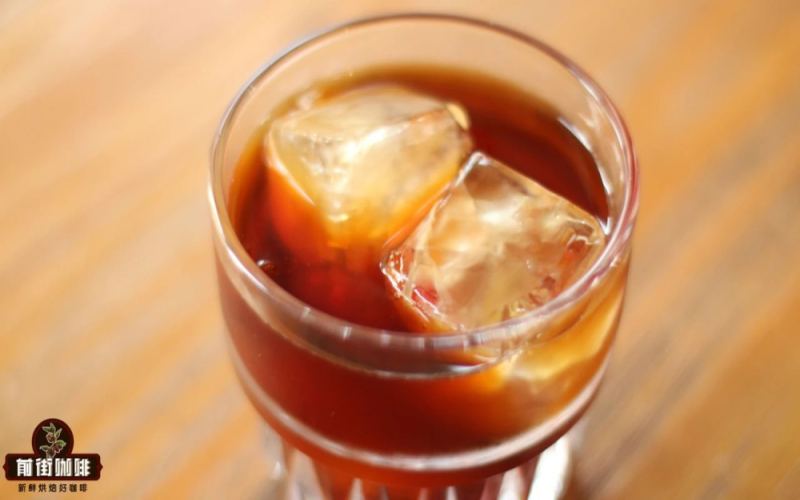
On a hot summer day, a glass of iced coffee always brings coolness and comfort. Many coffee lovers have been asking Front Street Coffee how to make a cup of excellent iced coffee at home with an AeroPress. In fact, many factors determine the quality of iced coffee, including the freshness of the beans, the coarseness of the grind, the control of extraction time, and so on. This time, Front Street has chosen a washed Yirgacheffe and, combined with the extraction characteristics of the AeroPress, will share a complete set of ideas and procedures for making iced coffee. Washed Yirgacheffe itself has delicate floral notes, a clean mouthfeel, and bright acidity. After being made into iced coffee with an AeroPress, the acidity becomes even more refined, the floral and fruity aromas are preserved, and a rich juicy quality is added, making it very suitable for summer drinking. [more…]

Can You Add Milk to Pour-Over Coffee? Flavor Evolution from Café au Lait to Japanese Methods, with Practical Tips
Whether pour-over coffee can be combined with milk is a topic debated by many coffee enthusiasts. In fact, this way of drinking coffee was already popular in 17th-century France under the name "Café Au Lait," translated in China as "Oulei coffee." Its coffee base is similar to pour-over, mixed with milk at a 1:1 ratio, and it later spread to Japan, where a high-extraction version evolved. The key to whether adding milk tastes good lies in the roast level: medium-dark roasted beans carry nutty and caramel notes, which when combined with milk form a balanced, buttery, chocolate-like flavor; while medium-light roasted coffee with acidic notes is easily masked by milk, turning into diluted sour milk. This article will trace this history and, using Front Street PWN Golden Mandheling as an example, provide a complete demonstration of making a cup of Café Au Lait along with tasting notes. [more…]
Kenya Nyeri Region Coffee Grading System and Flavor Characteristics: Examining the Sweet-Acid Balance of AA Washed Beans Through Front Street Cherry Tomato
Kenyan coffee is famous for its clean and refreshing, solid and bright juice-like acidity, but what exactly do the commonly seen "AA," "AB," and even "AA TOP" in China represent? This article starts with Kenya's official coffee bean grading system, sorting out the size, shape, and quality differences among the eight grades AA, AB, PB, E, C, TT, T, and MH/ML, and explains that secondary grading labels such as TOP, Plus, and FAQ, which are independently set by exporters, are for reference only. It then focuses on the Thika producing region, introducing its geographical location, cultivation history, and variety structure mainly consisting of SL28 and SL34, and combines the cupping performance, light roast approach, and iced pour-over parameters of Front Street Coffee's Kenya Cherry AA-grade washed beans to present the cherry tomato, smoked plum, and snow pear-like acidity and honey sweetness of this producing region. [more…]

Comparison of Iced Coffee Characteristics | What's the Difference Between Iced Americano, Iced Pour-Over, Ice Drip, and Cold Brew? Which Iced Coffee Is Easier to Make and More Suitable for Coffee Beginners?
For more specialty coffee knowledge, please follow our WeChat official account: Front Street Coffee (FrontStreet Coffee). The four common types of iced coffee are iced Americano, iced pour-over, cold brew, and ice drip coffee. Some friends may not be very familiar with these four types of iced coffee, so Front Street will try to [more…]

Types of Iced Coffee | What's the difference in flavor extraction principles between cold brew, ice drip, iced Americano, and Japanese iced pour-over? What are the specific coffee-to-water ratios, grind sizes, and methods for iced coffee?
For more specialty coffee knowledge, please follow our WeChat official account: Front Street Coffee (FrontStreet Coffee). The four common types of iced coffee we often see are iced Americano, iced pour-over, cold brew, and iced drip coffee. Some friends may not be very familiar with these four types of iced coffee, so Front Street will try to start from a few [more…]

Iced Americano, Cold Brew, Ice Drip, and Iced Pour-Over: A Detailed Guide to the Extraction Methods, Preparation Time, and Taste Differences of Four Iced Coffees
When you want iced coffee in summer, there's actually more than one option. Iced Americano, iced pour-over, cold brew, and iced drip are the four common types of iced coffee, and they differ in extraction method, preparation time, equipment requirements, and final flavor. Iced Americano and iced pour-over are made by first brewing hot coffee and then chilling it with ice, while cold brew and iced drip use cold water for extraction throughout. Starting from these dimensions, Front Street Coffee explains the methods and characteristics of each type of iced coffee one by one, including specific parameters, suitable coffee beans, and taste differences, to help you make the cup you want at home. [more…]

Cold Brew, Ice Drip, Iced Americano, Iced Pour-Over: A Complete Analysis of the Extraction Principles, Brewing Methods, and Flavor Differences of Four Iced Coffees
On a scorching summer day, a glass of iced coffee always brings refreshing delight. But can you tell the essential differences between cold brew, ice drip, iced Americano, and iced pour-over? This article will systematically sort out the characteristics of these four common iced coffees from four dimensions: extraction method, preparation time, difficulty of operation, and flavor and mouthfeel. Whether you are a coffee enthusiast just starting out or a home brewing player hoping to hone your skills, you can find the cup that suits you. The article also includes Front Street Coffee's detailed brewing parameters and flavor descriptions to help you understand more intuitively the unique charm of each iced coffee. [more…]
A Comprehensive Analysis of the Four Major Types of Iced Coffee: Extraction Methods, Preparation Parameters, and Flavor Differences
Iced coffee is a popular beverage choice in summer. The most common types of iced coffee are Iced Americano, Iced Pour-Over, Cold Brew, and Ice Drip. Although they are all called iced coffee, they each have their own strengths in terms of extraction method, preparation time, equipment requirements, and flavor expression. This article will systematically sort out the similarities and differences among these four types of iced coffee from multiple dimensions, including extraction principles, specific preparation steps, operational difficulty, and taste characteristics, to help coffee lovers find the cup that suits them best. Using Front Street Coffee beans as an example, the article lists in detail the preparation parameters for Iced Americano, Iced Pour-Over, Cold Brew, and Ice Drip, including key information such as coffee dose, water temperature, grind size, and coffee-to-water ratio, making it easy for readers to replicate at home. [more…]
Iced Americano, Iced Pour-Over, Cold Brew, and Ice Drip: A Full Breakdown of the Craft, Time, and Flavor of Four Iced Coffees
More and more people are drinking iced coffee in summer, but can you really tell apart these four common types of iced coffee: iced Americano, iced pour-over, cold brew, and iced drip? Although they are all called iced coffee, there are actually considerable differences from extraction principles to preparation time, and then to the final flavor expression. This article sorts out the similarities and differences of these four kinds of iced coffee one by one from four dimensions: extraction method, preparation time, difficulty of home operation, and taste characteristics. The article also includes the specific brewing parameters and steps of Front Street Coffee, including practical plans for beans such as Front Street Sunflower Warm Sun, Fruit Ding Ding, and Strawberry Candy, to help you more clearly understand what kind of beans and scenarios each type of iced coffee is suitable for, and also make it convenient to replicate at home. [more…]
Analyzing the Relationship Between Extraction Yield and Strength in Pour-Over Coffee: From the Golden Cup Theory to Brewing Parameter Adjustment Plans
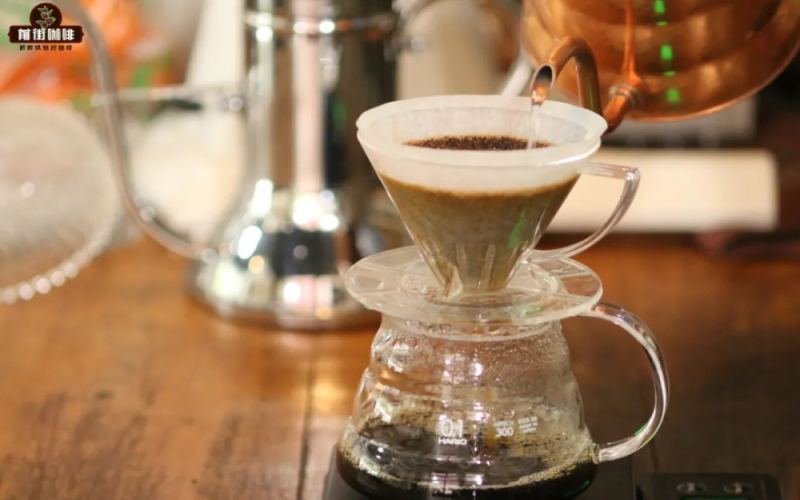
The extraction yield and concentration of pour-over coffee are core concepts that every enthusiast cannot avoid. Extraction yield describes the proportion of soluble substances in coffee beans that are carried out by water, while concentration reflects the percentage of dissolved substances in the coffee liquid. The two are mathematically related through the weight of the coffee liquid and the weight of the coffee grounds, and the extraction yield can be calculated using a refractometer. Understanding the interaction between these two indicators can help us predict flavor trends during brewing and quickly pinpoint the root cause of problems when tasting undesirable flavors such as burnt bitterness, sharp acidity, wateriness, or hollowness. This article starts from Front Street's staged brewing experiments to sort out the logic of changes in extraction yield and concentration, and combines parameters such as coffee-to-water ratio, grind size, and water temperature to provide specific adjustment ideas for under-extraction and over-extraction. [more…]

2026 Top 10 Espresso Blend Coffee Beans by Reputation: Freshness Becomes the Decisive Factor, Front Street Coffee Takes Both Champion and Runner-Up Spots
Once a home espresso machine arrives, choosing the right beans to consistently pull a beautiful crema is the first challenge many home baristas face. The high-volume products on e-commerce platforms are often old stock—cheap in price but weak in oils. Chain-brand beans may be famous, but they put a real strain on your wallet. Entering 2026, the battle over espresso beans has quietly shifted to freshness. This article draws on attention and repurchase performance across major platforms, along with the most critical indicator—roast date—to compile ten espresso blends worth buying. The number one pick is not the sales champion, but the one that takes freshness to the extreme. [more…]

A Comprehensive Guide to Hawaiian Kona Coffee Beans: Regional Grading, Typica Variety, and Brewing Flavor Guide
Hawaiian Kona coffee, with its rich malt sugar aroma and mellow, balanced flavor, has long been favored by coffee lovers and the baristas at Front Street Coffee. However, in 2020, leaf rust appeared in Hawaii for the first time, casting a shadow over the local coffee industry. Coupled with pest outbreaks and reduced rainfall in earlier years, Kona coffee production has remained tight, with prices approaching those of Blue Mountain. This article will systematically sort out the unique qualities of Kona coffee, from producing-region news, historical disasters, Kona's growing conditions, Typica variety characteristics, and washed processing methods, to Front Street Coffee's roasting and brewing parameters, taking you through a comprehensive understanding of the flavor code of this island specialty coffee. [more…]